

Emergency
Only America Can Take Out Iran’s Deepest Nuclear Threat
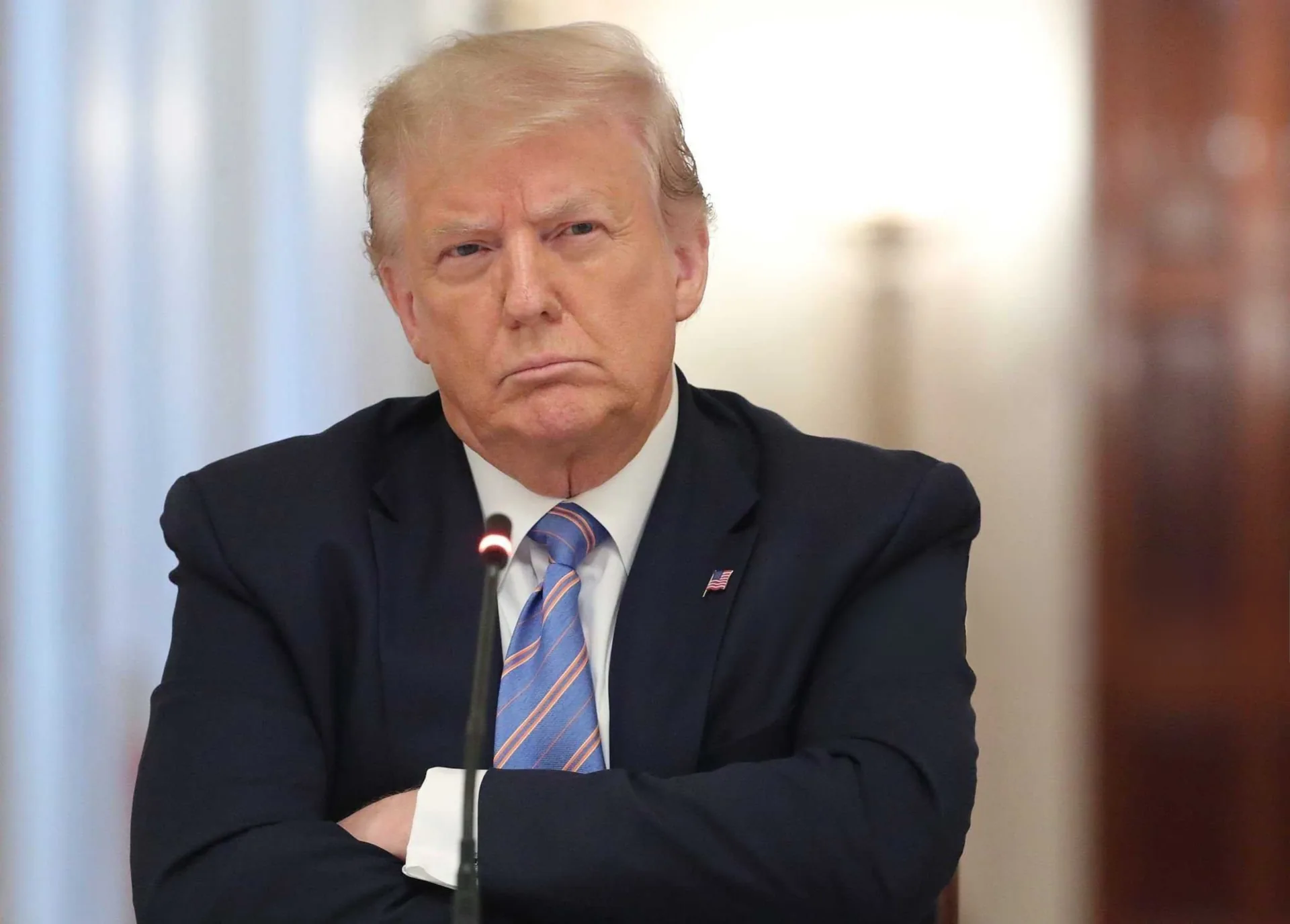
As tensions rise across the Middle East, President Donald Trump made one thing abundantly clear: while diplomacy is preferred, the United States military is ready for anything. With Israel striking key Iranian nuclear targets, the question now becomes whether the U.S. will be forced to step in to neutralize Iran’s most dangerous nuclear facility—one that even Israel can’t touch.
Last week, Israeli forces launched airstrikes on the Natanz nuclear site, a well-known facility already under international scrutiny. The attack inflicted direct damage on underground structures 36 feet below the surface, according to the U.N.’s nuclear watchdog. But there’s a bigger concern: Iran’s Fordow Fuel Enrichment Plant, which lies buried 300 feet beneath solid mountain rock.
Experts like Mark Dubowitz, CEO of the Foundation for Defense of Democracies, aren’t mincing words. “Destroying [Fordow] from the air is a job only the U.S. can do,” Dubowitz said. Israel, while unmatched in regional air superiority, simply doesn’t have the tools to reach that depth.
Fordow is considered Iran’s most fortified nuclear site. It’s built for one purpose: to resist conventional airstrikes. Hitting it would require a 30,000-pound GBU-57 Massive Ordnance Penetrator, also known as a “bunker buster,” which only the U.S. possesses. This bomb is so large, it can only be deployed by America’s B-2 Spirit stealth bombers.
These weapons, along with the stealth technology and surveillance capabilities needed to ensure accuracy, are part of a military toolbox no other country possesses. Israel’s F-35I and F-15I jets are formidable, but even they can’t finish the job at Fordow without U.S. support.
President Trump, speaking from Air Force One after cutting his G7 trip short, made no apologies for America’s superior firepower. “We now have complete and total control of the skies over Iran,” he posted on Truth Social. “Nobody does it better than the good ol’ USA.”
Still, Trump refused to say whether direct U.S. intervention is coming. Asked if the U.S. would strike, he replied, “I don’t want to talk about it.” Yet he issued a grave warning: “Everyone should immediately evacuate Tehran.”
While the White House remains mum, Israeli officials are moving fast. Israeli Ambassador to the U.N. Danny Danon confirmed this week that Israeli jets are already striking targets across Iran and promised, “more results to come.”
But even Danon admitted Israel has its limits: “We are a tiny country, 9 million people, going up against 90 million Iranians. We punch high, but we know when we need help.”
And that help can only come from Washington.
Military experts agree. The Fordow facility is believed to house up to 3,000 uranium enrichment centrifuges. The risk? That Iran could produce a nuclear warhead in as little as two to three days.
ABC military analyst and retired Col. Steve Ganyard explained the unique nature of the GBU-57. “It won’t be a massive blast. It’s designed to penetrate deep and then detonate right where it counts.” That kind of surgical strike, delivered stealthily by a B-2, could neutralize Fordow without triggering a larger war—but only if it’s used soon enough.
So far, Iranian officials have brushed off Israeli strikes and denied they’re pursuing a nuclear weapon. But the growing evidence, rising death toll among Iranian military leadership, and Iran’s refusal to return to nuclear talks paint a different picture.
Trump has said again and again: Iran will never have a nuclear weapon on his watch.
The next move? That may rest on whether Tehran heeds his warning—or if America must act before it’s too late.

Beyond the Blue Line: Know Your Everyday Route Before Plans Change

Lost in the Woods? Why Walking Farther Could Make Things Worse

Why More Trips to the Bathroom May Be Worth Paying Attention To

Why Blood Sugar Can Be Harder to Manage Than It Looks
